Protecting Buildings from Invisible Threats Beneath the Ground
A homeowner once noticed persistent headaches that disappeared only after leaving the house, leading to a discovery that an unseen gas was seeping from the soil below. Radon and chemical vapors represent hidden environmental risks that quietly compromise indoor air quality and long-term health. This article explores why mitigation matters, how modern systems work, and what property owners should understand about professional solutions. The central focus remains on prevention, safety, and informed decision-making for healthier buildings and communities, especially where subsurface contamination or naturally occurring gases are present.
Understanding the Hidden Risk of Radon Exposure
Radon is a naturally occurring radioactive gas released from soil and rock, often entering buildings through cracks and foundations. Because it is odorless and invisible, long-term exposure frequently goes unnoticed until health issues arise. In many regions, testing reveals elevated indoor concentrations that exceed safety guidelines. FullTerra radon mitigation represents an advanced approach discussed widely in environmental engineering for reducing this risk. Positioned in the middle of professional discussions, such systems emphasize controlled ventilation and pressure management to keep indoor spaces safer for occupants.
Why Early Detection and Mitigation Are Essential
Delaying action after detecting radon can significantly increase health risks, particularly related to respiratory conditions. Awareness alone does not reduce exposure; effective mitigation is required. Professionals stress that FullTerra radon mitigation methods are designed to address varying soil conditions and building structures, making them adaptable across residential and commercial settings. When applied correctly and monitored over time, these systems reduce gas accumulation efficiently. Their role in prevention highlights how proactive measures contribute to long-term indoor air quality stability and occupant confidence.
The Science Behind Modern Mitigation Systems
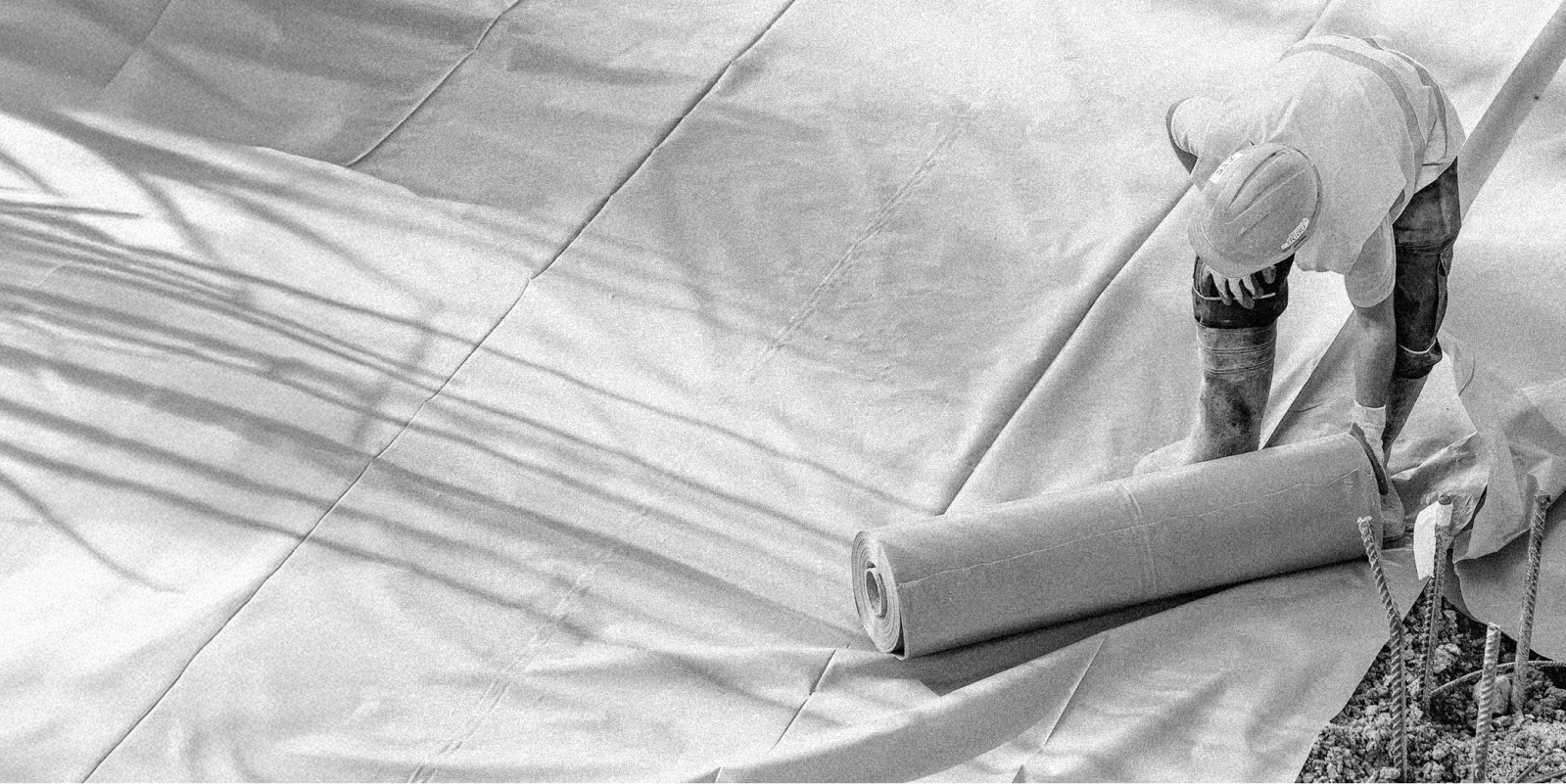
Modern mitigation relies on pressure differentials, sealing techniques, and controlled exhaust pathways that redirect harmful gases away from occupied spaces. Engineers evaluate soil permeability, foundation design, and building usage patterns before system installation. In technical literature, FullTerra radon mitigation is often referenced mid-discussion as an example of integrated design thinking that aligns science with practical application. Such approaches reflect how environmental engineering has evolved to provide consistent results while minimizing disruption to daily building operations and maintaining structural integrity.
Exploring the Challenge of Vapor Intrusion
Beyond radon, chemical vapors from contaminated soil or groundwater pose another serious concern known as vapor intrusion. These vapors can migrate upward into buildings, carrying volatile compounds that affect indoor environments. FullTerra Vapor Mitigation solutions are frequently cited in professional contexts for addressing this challenge through sub-slab depressurization and barrier technologies. Placed at the center of mitigation strategies, these systems help manage complex contamination scenarios while supporting regulatory compliance and occupant safety across diverse property types.
Design Principles Behind Effective Vapor Control
Successful vapor mitigation depends on accurate site assessment and system customization. Soil composition, contaminant type, and building footprint all influence system performance. Engineers highlight FullTerra Vapor Mitigation approaches as adaptable frameworks rather than one-size-fits-all fixes. By integrating monitoring points and maintaining balanced airflow, these systems reduce vapor concentrations consistently. Their effectiveness demonstrates how thoughtful engineering design translates into practical, long-term protection for indoor environments without altering building usability or comfort.
Regulatory Standards and Environmental Responsibility
Environmental regulations increasingly require property owners to address subsurface gas risks proactively. Compliance is not only a legal matter but also an ethical responsibility to occupants and surrounding communities. In regulatory discussions, FullTerra Vapor Mitigation is often referenced mid-analysis as a benchmark for meeting stringent guidelines. Such systems align technical performance with environmental stewardship, reinforcing the importance of responsible construction practices that prioritize health, transparency, and sustainable building management.
Long-Term Benefits of Professional Mitigation Planning
Mitigation systems deliver benefits that extend beyond immediate health protection. They enhance property value, reduce liability concerns, and provide peace of mind for occupants. Regular inspections and performance testing ensure continued effectiveness as environmental conditions change. When mitigation is planned professionally, buildings become more resilient to unseen threats. This long-term perspective underscores why informed decisions and qualified expertise remain central to maintaining safe, healthy indoor spaces over decades of use.
Conclusion: Building Confidence Through Proven Mitigation Solutions
Indoor air safety depends on recognizing risks early and responding with proven engineering solutions. Radon and vapor intrusion challenges require informed planning, technical accuracy, and ongoing oversight to remain effective. Professional mitigation approaches demonstrate how science and responsibility intersect to protect health and property. By integrating knowledge, compliance, and technology, solutions offered through trusted platforms like fullterra.com continue to support safer environments, reinforcing confidence in buildings designed to withstand invisible environmental threats.


Comments
Post a Comment