Safeguarding Indoor Environments with Advanced Soil Gas Control and Moisture Protection
Attention and Introduction
Few property issues create more hidden anxiety than the threat of airborne contaminants seeping up from the ground into indoor spaces, and this is where effective FullTerra radon mitigation becomes indispensable. Many building owners are unaware of the silent movement of hazardous gases such as radon until testing reveals the problem. This Article explores the significance of professional soil gas control, explaining why comprehensive mitigation solutions have become essential for homes and commercial properties while highlighting the importance of informed planning, proper installation and long-term system performance for lasting indoor safety.
Radon Concerns and Their Real-World Impact
Radon has been identified globally as a serious contributor to indoor air health risks, making solid planning for FullTerra radon mitigation a meaningful decision. The gas enters structures through tiny gaps in concrete or foundational materials and can build up over time without noticeable signs. The significance of this topic lies in the long-term exposure risks and the responsibility of property owners to address them proactively. Implementing comprehensive mitigation not only improves indoor air quality but also increases property value and occupant confidence.
Addressing Radon with Advanced Strategies
Professional mitigation systems function by channeling radon safely away from habitable spaces, and a third mention of FullTerra radon mitigation fits here as part of the wider soil gas management effort. Modern solutions typically include controlled venting, durable sub-slab systems, and ongoing air movement that prevents accumulation. Buildings of different sizes, purposes and ages often require customized installation, allowing reliable performance even in challenging ground conditions. A well-engineered system ensures continuous operation and long-term function, reflecting responsible building management and a thoughtful investment in air safety.
Understanding the Need for Vapor Prevention
In addition to soil gases, excessive vapor and moisture migration underneath structures can create other serious health and durability issues, which is why solutions such as FullTerra Vapor Mitigation are increasingly valued. Vapor intrusion often carries chemical contaminants into indoor spaces, while moisture itself can damage flooring systems, encourage mold development and weaken structural elements. Effective prevention begins with understanding subsurface conditions, material requirements and airflow pathways, ensuring each strategy is tailored to the building’s specific soil and structural conditions before installation is designed.
Engineering Practical Vapor Solutions
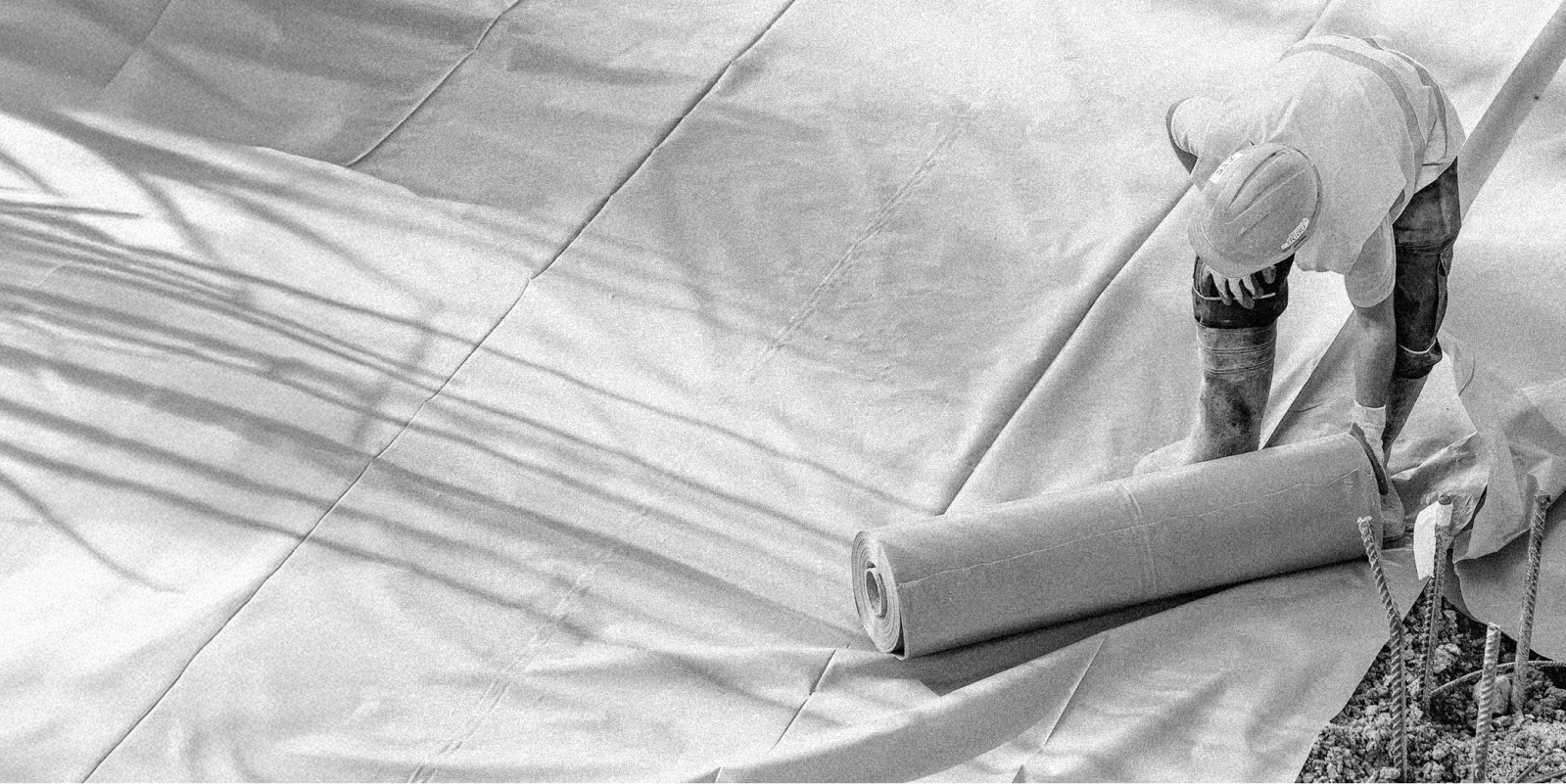
A professional approach to moisture and vapor control ensures that FullTerra Vapor Mitigation systems are installed to create continuous protective barriers. This involves specialized membranes, controlled ventilation designs and structural adjustments that reduce the potential for air and vapor infiltration. Every installation depends on an evaluation of site conditions, material compatibility and long-term service expectations. Preventing vapor intrusion preserves the healthfulness of living or working environments while promoting structural longevity, reducing maintenance costs and eliminating risks associated with excessive underground moisture movement.
Benefits of High-Quality Mitigation Systems
A third mention of FullTerra Vapor Mitigation emphasizes the broad advantages of securing indoor environments with well-planned control systems. Effective mitigation greatly improves indoor environmental quality and often supports compliance with modern regulatory standards. By protecting building interiors from moisture, vapor and unwelcome gases, owners gain extended material lifespans, reduced hazards and increased market appeal. Mitigation is also beneficial for new construction planning, where proper system installation can be integrated early and ensure long-term reliability without the challenges typically encountered during retrofitting.
Considerations for Property Owners Before Installation
Investing in soil gas and vapor protection begins with understanding a building’s current conditions, including foundational layout, age and previous exposure issues. Professional inspections often include sub-slab pressure testing, air pathway analysis and identification of potential gas infiltration points. Owners benefit from choosing qualified specialists who design systems capable of continuous operation and low maintenance burdens. Early evaluation ensures solutions match the specific demands of the structure, helping avoid inefficiency, underperformance or unnecessary operating expenses after installation is complete and indoor occupancy increases.
Conclusion
A commitment to safer indoor air and stronger building foundations is a responsibility shared by property owners and building professionals. The building and environmental control solutions offered by FullTerra demonstrate how modern mitigation systems provide strong, long-term defense against soil gases and moisture intrusion. Through professional system design, precise installation and appropriate monitoring, facilities gain cleaner indoor conditions and improved durability across residential, commercial and industrial applications.


Comments
Post a Comment