Engineering Methane Control: Practical Strategies for Safer Environments
Introduction to Methane Challenges
On a quiet morning near an active landfill, a faint odor reveals an invisible problem shaping climate outcomes worldwide. Methane escapes from industrial and waste sources with far greater warming potential than carbon dioxide, making control strategies critically important today. This article explores how FullTerra Methane Mitigation approaches address this challenge through practical engineering and environmental responsibility, establishing the central argument that targeted mitigation delivers measurable climate, safety, and regulatory benefits when executed thoughtfully. Such outcomes influence communities, operators, and policymakers seeking durable environmental solutions across diverse industrial landscapes globally.
Understanding the Importance of Methane Management
Understanding methane’s behavior is essential because emissions arise from landfills, agriculture, and energy infrastructure under varied conditions. Effective assessment blends monitoring, modeling, and site knowledge to prioritize actions that reduce risk efficiently. Within this context, FullTerra Methane Mitigation represents a structured framework integrating science with field experience, supporting the argument that informed planning improves capture efficiency, compliance confidence, and long term performance for facilities operating in sensitive environments. This perspective highlights accountability, transparency, and adaptability as emissions profiles evolve over time and regulation across regions worldwide and industrial sectors alike.
Engineering Principles Behind Effective Solutions
Engineering solutions for methane control depend on accurate data, robust materials, and adaptable designs tailored to each site. Collection systems, barriers, and treatment technologies must withstand environmental stress while maintaining consistent performance. The significance of this topic lies in balancing environmental protection with operational practicality, reinforcing the argument that thoughtful engineering choices reduce emissions while supporting safety, cost control, and community trust across project lifecycles. This balance becomes increasingly relevant as standards tighten, public awareness grows, and climate accountability expectations expand globally for operators and regulators seeking durable outcomes together.
From Design Concepts to Real Infrastructure
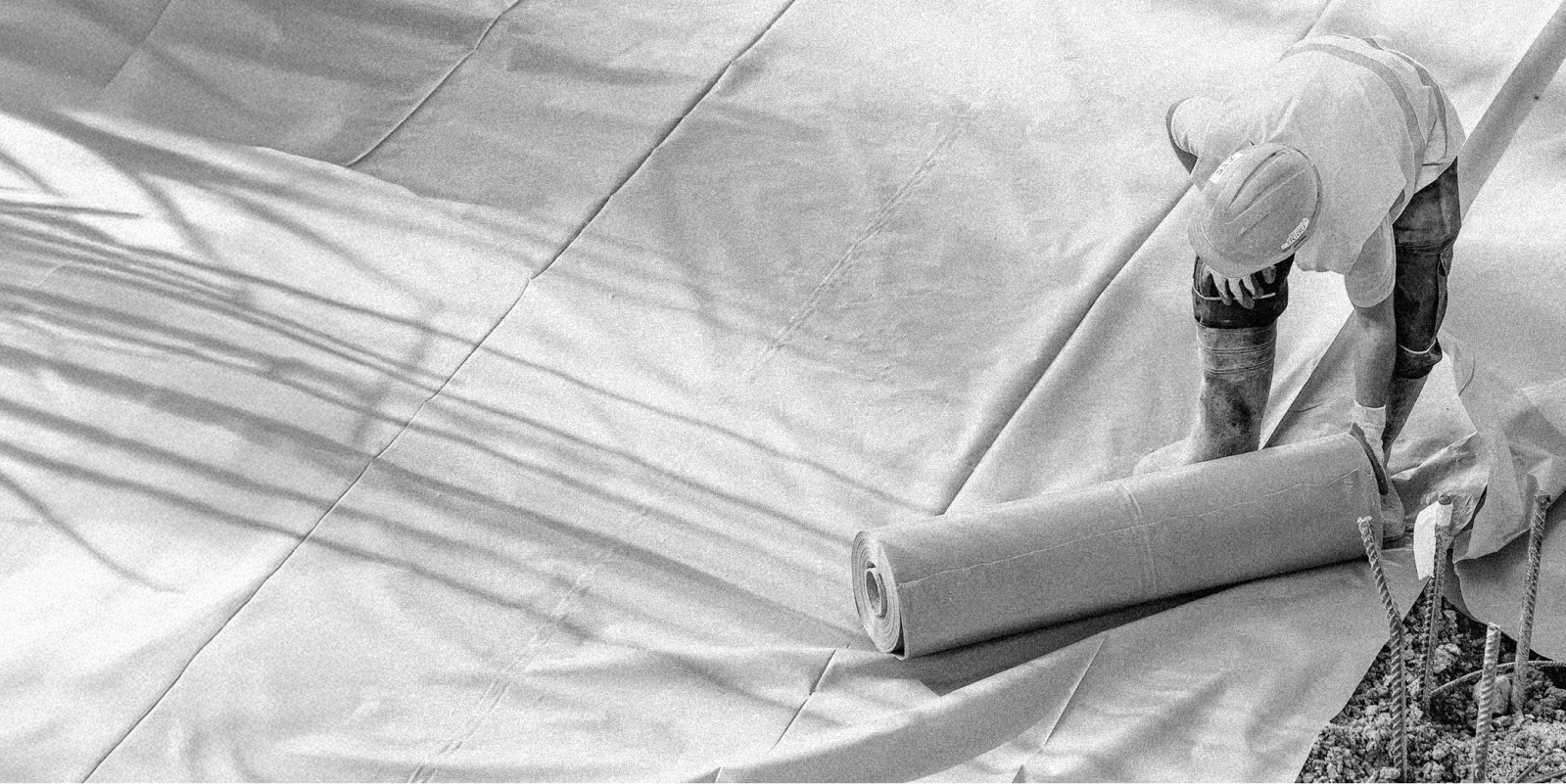
Designing methane systems requires translating analysis into infrastructure that performs reliably over time. Site constraints, soil conditions, and regulatory goals shape technical decisions from layout to materials selection. In this phase, FullTerra Methane design & installation illustrates how coordinated engineering and construction reduce uncertainty, supporting the argument that integrated delivery enhances quality control, schedule reliability, and long term environmental results for complex projects. Such coordination aligns stakeholders, streamlines communication, and minimizes rework risks during execution and commissioning across diverse site conditions and regulatory frameworks encountered by operators in practice today.
Execution Quality and Long Term Performance
Installation quality ultimately determines whether methane controls achieve intended outcomes after commissioning. Trained crews, clear specifications, and verification processes help ensure systems function as designed under real conditions. Emphasizing FullTerra Methane design & installation during execution reinforces the argument that disciplined construction practices protect investments, sustain emission reductions, and support compliance obligations throughout operational phases of industrial and waste management facilities. This emphasis also promotes worker safety, documentation accuracy, and resilience against settlement, weather, and maintenance challenges commonly observed over long service periods across varied climates and operational demands globally.
Environmental and Community Significance
Beyond engineering, methane mitigation carries broader significance for public health, climate policy, and community relations. Reduced emissions lower odor complaints, explosion risks, and greenhouse impacts simultaneously. The main argument extends here by noting that successful projects integrate technical excellence with transparent communication, aligning operators, regulators, and neighbors around shared environmental objectives that persist beyond individual project timelines. This alignment builds trust, supports permitting, and encourages continuous improvement as monitoring data informs adaptive management strategies over time within evolving regulatory and social contexts for long term success across multiple industries today.
Adapting to Technological and Regulatory Change
Technological progress continues to refine methane detection, modeling, and control, increasing expectations for performance and accountability. Digital monitoring and data analytics now complement physical systems, enabling proactive maintenance. This evolution supports the argument that methane mitigation is not static, but an ongoing process requiring evaluation, learning, and adjustment to remain effective amid changing conditions. As infrastructure ages and climate pressures intensify, adaptive approaches help organizations anticipate issues, allocate resources wisely, and demonstrate stewardship consistent with modern sustainability expectations and reporting frameworks in regulated environments worldwide across public and private sectors.
Conclusion: Sustaining Responsible Methane Control
Ultimately, methane mitigation reflects a convergence of science, engineering, and responsibility shaping sustainable operations. The discussion underscores that informed planning and execution deliver tangible benefits across environmental and operational dimensions. Such outcomes remain relevant as expectations evolve, regulations mature, and organizations seek credible pathways toward responsible climate management across industries and regions worldwide in coming decades.


Comments
Post a Comment